Scan to play on mobile
Tile Valley
How to Play
Game Overview
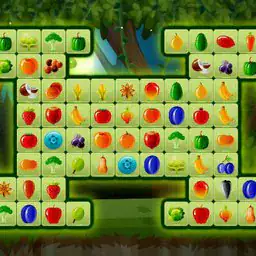
Tile Valley is basically a Mahjong-like matching game but with a cleaner, more modern look. You''ve got this big colorful board of tiles -- food, sweets, shapes -- and you tap on three identical ones to clear them. The goal is simple: remove everything before your seven empty slots fill up. It''s actually pretty chill because there''s no timer or anything pushing you, so you can sit there and think. The visual style is really nice -- soft colors, smooth animations, and the background changes as you move along a map, which gives it a tiny sense of adventure without any real story. Music is light and pleasant, not annoying, which matters for a puzzle game. I''d say it hooks people who like brain teasers but don''t want stress -- maybe folks who enjoy things like Candy Crush or classic Mahjong but want something less cluttered. Levels ramp up slowly, so you never feel totally stuck, but the hints and shuffles help if you hit a wall. It''s the kind of game you play while listening to a podcast or waiting for coffee. Not groundbreaking, but solid and well-made.
About Tile Valley
Tile Valley is one of those puzzle games that looks simple but keeps you coming back. You start each level with a big stack of tiles stacked on top of each other, sometimes in weird shapes or layers. Your job is to tap on tiles to collect them, and when you've got three of the same image -- say three apples or three stars -- they vanish from your board. You've got seven slots at the bottom to hold your collected tiles, and if those fill up without matching, the level ends. So there's a constant tension between grabbing tiles to clear space and hoping the third match shows up soon.
The game throws different themes at you, like food or sweets or shapes, but the core loop stays the same. Early levels are gentle -- maybe twenty tiles arranged in a simple pile. By level thirty or so, the stacks get taller, the tiles overlap more, and you'll find yourself squinting at the screen trying to spot that one tile hiding behind another. The map shows your progress through a colorful valley, and each area has its own background -- a meadow, a forest, a snowy hill. That's a nice touch that keeps the visuals from getting stale.
Difficulty ramps up in sneaky ways. Later levels introduce tiles that look almost identical -- like a blueberry versus a dark grape -- so you have to pay close attention. Sometimes the stack is built so that one tile is completely covered until you remove several others, forcing you to plan moves ahead. You can use hints to highlight a match, or shuffle the board to rearrange everything, but those cost coins. Coins come from logging in every hour or from completing achievements like Play for an hour straight.
The satisfying moments come when you clear a tricky stack with a single move -- three tiles matching in a row just as your slots were almost full. Or when you finish a level with zero hints used, which the game quietly acknowledges with a little star rating at the end. There's no rush, no timer, so you can stare at the board as long as you want, moving tiles around in your head before tapping. That calm pace is what makes it work for me -- you're matching, paying attention, and slowly chipping away at a puzzle that felt impossible five minutes ago.
Tips & Tricks
Pay close attention to the layout before you start tapping. The tiles stack in layers, so clearing the wrong top tile early can trap a needed match underneath -- I lost a few rounds to that mistake. Hints aren't a cheat; they're a smart tool when the board feels stuck, but use them sparingly because coins run out fast. I found it helps to scan for tiles that appear only twice on the visible layer -- those are your priority, since you need three to match and the third might be buried. Don't ignore the shuffle button when you're down to a few tiles and nothing lines up; it saved me more than once when I felt the game was just taunting me. The hourly free coins are worth grabbing even if you're not playing, because power-ups get pricier on later levels. Also, the extra tile slot purchase is a trap unless you're deep in a tough level -- early on, you rarely need it, and coins are better spent on hints or shuffles. Finally, the background changes with your map progress, which is a nice visual cue, but it doesn't affect gameplay, so don't let the pretty scenery distract you from focusing on those tricky stacked tiles.













Comments
Please login to leave a comment.