Scan to play on mobile
Jigsaw Puzzle - Anime
How to Play
Game Overview
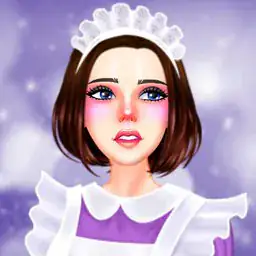
I''ve been messing around with Jigsaw Puzzle - Anime, and it''s basically what it sounds like: a jigsaw puzzle game but everything''s covered in anime pictures. The puzzles range from free ones to premium packs, and the images are all over the place--some are cute chibi characters, others are more detailed landscape shots from various anime styles. The vibe is pretty chill, honestly. You pick a puzzle, and then pieces get scattered across the screen, and you just drag and drop them into place. The controls are simple: tap, hold, drag, release. No timers or pressure, which I appreciate because sometimes I just want to zone out while listening to music. The visual style is bright and colorful, typical anime stuff, but the pieces themselves are nicely shaped with unique cuts, so it''s not just a boring grid. What''s cool is you can also make your own puzzles using your own photos--I threw a picture of my cat in there, and it worked surprisingly well. The game feels more like a relaxing activity than a challenge, but some of the bigger puzzles with 100+ pieces can get tricky. Who''d get hooked? People who like anime art and enjoy slow, methodical tasks. If you''re the type to do puzzles on a rainy Sunday or while watching TV, this fits right in. It''s not flashy or intense, but that''s the point.
About Jigsaw Puzzle - Anime
So you pick a puzzle from the main menu -- there are free ones and premium ones, all anime themed. Some are from popular shows, others are more generic cute girls or landscapes. You can also import your own photos, which is nice for making gifts or just playing with family pictures. The free puzzles are decent, but the premium ones have more intricate art and higher piece counts. Once you select, the pieces scatter across the screen in a messy pile. That initial chaos is the same every time, but how you approach it changes.
The core loop is simple: grab a piece, look at its shape and the image on it, then drag it to where you think it fits. The board shows a faint outline of where pieces should go, which helps when you're stuck. You rotate pieces by double-tapping or using a button, but most puzzles don't need much rotation -- the cuts are standard interlocking shapes. Your brain is working pattern matching--matching colors, lines, and edges. Early puzzles are small, like 12 pieces, so you finish in a few minutes. Then you unlock 24, 48, 96, and up to 192 pieces for some premium ones. The jump from 48 to 96 is where it gets real -- you stop just linking edges and start grouping by color or character faces.
What makes it click is the satisfaction of that last piece snapping in. The game plays a little chime and the image fully renders. You can also zoom in on the board, which is essential for 96+ piece puzzles because the details get tiny. No real enemy types or upgrade systems here -- this is pure puzzle assembly. There is a timer if you want, but the game doesn't punish you for taking long. Some puzzles have special edge pieces with different shapes, like wavy or straight lines, which throw off your usual strategy.
Later puzzles introduce more complex cuts -- pieces that look similar but are actually distinct, so you have to rely on the image more than the shape. That's where the brain training kicks in. The satisfying moment is when you find the perfect spot for a piece you've been holding for minutes. The rest of the puzzle falls into place fast after that. Just don't expect any power-ups or level ups -- it's just you, the pieces, and the picture. The anime art is varied, some with bright colors, others with muted tones, which affects how hard the puzzle feels.
Tips & Tricks
Sort pieces by color first -- it saves you from staring at a pile of random edges for ten minutes. The anime art has lots of distinct shades, and grouping them by hue makes finding connections way faster. I wasted a good hour trying to build from the border only to realize the middle sections fit together more naturally if you start with the bright hair or eye colors.
Premium puzzles sometimes have pieces that look identical at a glance but aren't -- rotate them before forcing them in. Holding a piece too long without rotating is a trap; the game doesn't auto-rotate for you.
Creating custom puzzles with your own photos is actually great for practice because you know the image intimately, but be warned: the algorithm sometimes cuts pieces in awkward shapes that don't snap as smoothly as the anime ones. Don't panic if a piece seems stuck -- zooming in helps spot subtle corner mismatches.
One mistake that cost me: I ignored the preview thumbnail. It's small but crucial for checking if a piece orientation is off by 90 degrees. Also, the game saves your progress automatically, so you can quit mid-puzzle without losing everything -- I thought I had to finish in one sitting.
Finally, if you're stuck, try the edge pieces last. The anime backgrounds often have solid colors that blend together, so borders can be deceptively hard. Focus on character faces and hair first -- those details pop and are easier to spot.



Comments
Please login to leave a comment.