Scan to play on mobile
Master of 3 Tiles
How to Play
Game Overview
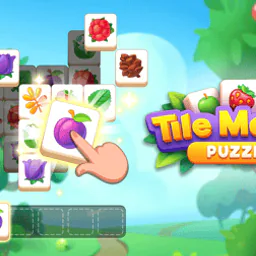
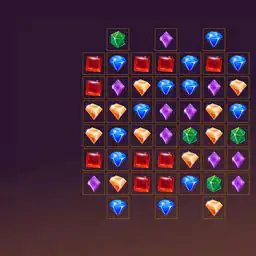
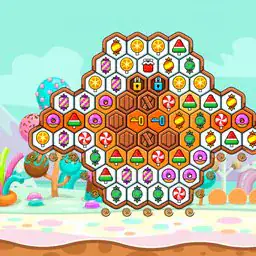
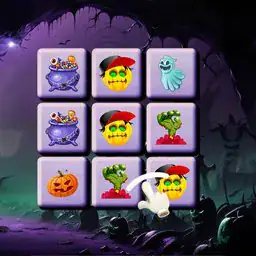
Master of 3 Tiles is one of those puzzle games that looks simple but keeps you coming back. It''s a tile-matching thing where you pick up sets of three identical tiles from a board, and once they''re gone, you win. The setting is pretty basic -- just a flat, colorful grid with patterns on the tiles like fruits, animals, or symbols. Visually it''s clean and cheerful, almost like a mobile game you''d play while waiting for coffee. There''s no fancy animation or story, which is fine because the challenge is all in the timing and planning. You click tiles to select them, and they pile up in a tray at the bottom, but if that tray fills up before you clear the board, you lose. So it''s not just about spotting matches; you have to think ahead about which tiles to grab and in what order. The vibe is relaxed until it suddenly isn''t -- levels start easy, but around the midpoint, the boards get crowded and you''ll find yourself staring at the screen, muttering about that one tile you need. People who like games like Mahjong or classic Bejeweled will probably get hooked. It''s perfect for short bursts, but I''ve definitely lost an hour to it without noticing. The difficulty ramps up in a fair way, which keeps it from feeling boring or frustrating. Honestly, it''s not groundbreaking, but it does its job well.
About Master of 3 Tiles
Master of 3 Tiles is one of those puzzle games you can pick up for a quick break but somehow end up playing for an hour. The core loop is simple: a board full of tiles, and your job is to click groups of three identical tiles to clear them. Tiles come in different shapes and colors--fruits, jewels, or themed symbols depending on the level pack. You start with a small grid, maybe 6x6, where matching is easy. But the game gets sneaky fast. Early on, you're just clicking obvious triples, building combos for bonus points. The satisfying moment is when you clear a whole row and new tiles cascade down, sometimes creating chain reactions that clear half the board. That feels great.
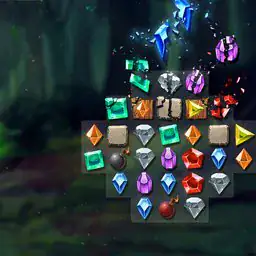
Difficulty ramps up in a few ways. First, the board gets bigger--8x8, then 10x10. More tiles mean more choices, but also more paralysis. Then they introduce locked tiles that need two matches nearby to unlock. Later, you get cursed tiles that spread if you ignore them, forcing you to prioritize. Some levels have a timer, others a move limit. Level names like "Gem Rush" or "Crystal Maze" hint at the twist. By world three, you're dealing with special tiles: bombs that clear a 3x3 area when matched, and wildcards that count as any symbol. You have to think ahead, not just react.
What keeps it interesting is the pressure of the tile pool. New tiles keep dropping from the top, filling empty spaces. If the board fills up, you lose. So you're constantly scanning for matches, planning where to click next. Your hands are just clicking--no drag or swipe--but your brain is doing pattern recognition, short-term memory, and risk assessment all at once. Some levels have a joker tile that matches anything, but using it early might waste its potential. There's no upgrade system per se, but you earn stars for completing levels with high scores, which unlock new tile sets or backgrounds. That's a nice little reward.
The game also has daily challenges with special rules--like "only match red tiles" or "clear 30 tiles in 10 moves." These break up the main campaign. Honestly, the hardest part is when you're one match away from a level clear and the last tile you need is buried under three layers of junk. You start sweating. But when you pull it off, it's a genuine rush. The game doesn't overcomplicate things--no power-ups to buy or lives to wait for, just pure matching. That's probably why it works so well for both quick rounds and long sessions 💥.
Tips & Tricks
First thing I learned the hard way: don't just grab any three matching tiles you see. The board's layout matters more than you'd think. If you clear a set that leaves a tile isolated, you'll be stuck later. I've lost plenty of rounds that way. Pay attention to where the remaining tiles will land. Stacking is a real pain -- try to clear tiles from the top layers before touching the bottom ones. The game doesn't punish you for time, so take a moment to scan the entire board before moving. Another thing that saved me: you can rotate the view in some levels. I missed that for hours. It reveals hidden matches behind pillars or edges. Use it. When you're down to a few tiles, don't panic. Sometimes a match isn't obvious because a tile is partially covered. Click around to see if something shifts. Also, the shuffle button isn't a crutch -- use it sparingly because it resets everything and can make things worse. One trick that clicked for me: if you have two of the same tile visible and the third is buried, it's often better to wait and clear other pairs first rather than dig blindly. That third might show up naturally. Lastly, the undo button exists for a reason. I used to ignore it, but now I use it to test moves. If a match leads nowhere, undo and try a different path. It's not cheating, it's strategy.














Comments
Please login to leave a comment.