Scan to play on mobile
Stack Up
How to Play
Game Overview
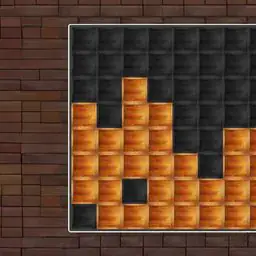
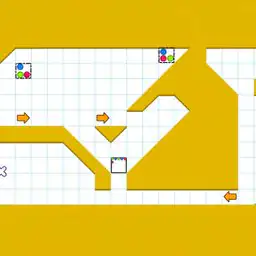
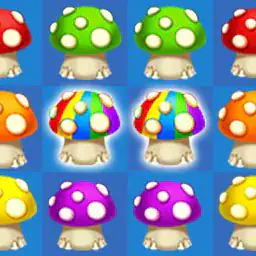
Stack Up is one of those puzzle games that looks simple but keeps pulling you back in. You've got these colored blocks stacked up on a board, and you tap one, then tap another of the same color to connect them. The goal is to build chains of ten or more blocks, which sounds easy until you realize you're working with limited moves each level. The visual style is clean and kind of minimalist -- flat colors, no fancy animations, just the blocks and a grid. It feels almost like a digital version of those old wooden block puzzles, but with a modern twist. The vibe is relaxed at first, but once you hit the harder levels, it gets tense. You're staring at the board, trying to figure out the best path to chain those blues together without wasting moves. The game doesn't handhold you, which I actually like -- you learn the tricks by failing a few times. Who would get hooked? Anyone who enjoys thoughtful puzzles where planning matters more than reflexes. It's great for short sessions on the bus or waiting in line, but I've also lost an hour to it without noticing. The levels ramp up slowly, adding more colors and trickier layouts, so it stays challenging without feeling unfair. It's not flashy or loud, just solid puzzle action that respects your time.
About Stack Up
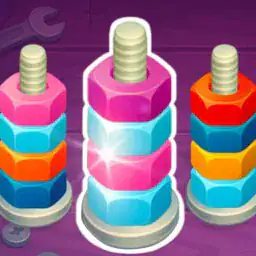
Stack Up starts simple enough. You're looking at a grid of colored blocks -- reds, blues, greens, yellows -- each one a short stack maybe two or three units high. The goal for most levels is to make at least one stack reach length 10 or more. You do this by tapping a stack to select it, then tapping another stack of the same color to connect them. The two stacks merge, adding their heights together. So a stack of 3 reds plus a stack of 4 reds gives you one stack of 7 reds. That's the core loop: pick a stack, link it to a matching color, repeat until you hit ten or run out of moves. The satisfying moment is when you chain three or four stacks in a row and watch that number jump up fast -- 2 becomes 5 becomes 9 becomes 11, and then the level clears with a little pop sound.
The brain part is figuring out the order. You have a limited number of moves -- usually between 10 and 25, depending on the level. If you waste moves linking small stacks inefficiently, you'll run out before building anything big. Later levels throw in complications. There's a mechanic called "frozen stacks" that appear around level 12 -- they're greyed out and can't be selected until you link a same-colored stack adjacent to them. That forces you to plan routes. Another one is "color shifters" starting around level 18 -- every few moves, all stacks of a random color swap to another color, messing up your chain. You learn to build backup plans.
Level names aren't fancy -- things like "Green Meadows" or "Blue Rush" -- but the difficulty curve is real. Early levels have three colors and generous move counts. By level 20, you're dealing with five colors, frozen stacks, and a move limit of 12. The game never explains these mechanics upfront; you just run into them and have to adapt. There's no upgrade system or shop -- it's purely puzzle after puzzle. The satisfaction comes from solving a tight board with one move to spare, or watching a long chain collapse into a single towering stack. Some levels require you to build two stacks of 10+, which doubles the planning. My advice: smaller stacks are usually safe to merge early, but hold onto any stack above 5 until you see a clear path to 10. Also, don't ignore the edges -- corner stacks are often crucial for linking across the board.
Tips & Tricks
Don''t just grab the first same-color stack you see. Sometimes connecting two smaller stacks far apart wastes moves when a bigger chain is hiding closer. I lost a level because I rushed a three-stack link and ran out of moves later. Look at the whole board before tapping; some layouts have stacks that form a natural L-shape or zigzag, and you can chain them without extra moves if you start from the middle instead of an end. One trick that saved me: when a color has only three stacks left scattered around, try to link them into a single chain first, even if it''s short, because that clears space for bigger combos. A mistake that cost me a lot: forgetting that longer stacks (like a seven-piece chain) can sometimes be broken apart by the game''s logic if you tap the wrong one first--always double-check the highlighted path before confirming. Another thing: on levels with multiple colors, ignore the colors that already have long chains. Focus on the ones with lots of singles or pairs; those are easier to grow quickly. And for the love of score, don''t waste moves on stacks of length 1 unless they''re part of a bigger plan. Sometimes it''s better to skip a turn if nothing good lines up, because the move limit is strict. The game punishes impatience hard--I learned that after restarting world four three times.









Comments
Please login to leave a comment.