Scan to play on mobile
The Escape Series
How to Play
Game Overview
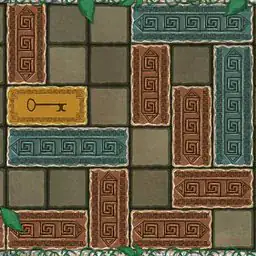
The Escape Series is basically a collection of room escape puzzles wrapped in a pretty straightforward point-and-click package. You're stuck in a room, and you have to find a way out by poking around every corner, picking up objects, and figuring out codes. The settings vary--sometimes you're in a dusty old study, other times it's a sterile lab or a creepy attic. The visual style is clean but not flashy, with static images that feel a bit like those classic escape-the-room flash games from the early 2000s. There's no music to speak of, just ambient sounds that can get a little repetitive after a while. What it actually feels like is staring at a screen, trying to connect dots that aren't always obvious. Some puzzles are clever, like matching symbols to a hidden pattern, while others just make you click every item on every object until something happens. The game doesn't hold your hand, which is both refreshing and occasionally frustrating. I found myself muttering at the screen when I missed a tiny key hidden behind a plant. Who would get hooked? People who like brain teasers and have patience for trial-and-error gameplay. If you enjoy those escape room board games or love figuring out logic puzzles without a timer rushing you, this is your jam. It's not an action game by any stretch--more like a quiet afternoon activity that requires focus and a bit of stubbornness.
About The Escape Series
The Escape Series is a point-and-click room escape game, plain and simple. You start locked in a room -- maybe it's a dusty study, maybe an abandoned lab. The only clue is the title on the level select screen, like "The Clockwork Office" or "The Neon Vault." Your mouse is your only tool. Click around to examine furniture, pick up objects like a screwdriver or a torn note, and combine items in your inventory to solve puzzles. The loop is: look at everything, find something you can use, figure out what it unlocks, then do it again until the door opens. Some puzzles are straightforward -- find a key, use it on a lock. Others make you think harder. You might find a vinyl record with a pattern on the label, then notice a phonograph in the corner with the same pattern, and realize you need to rotate the record to match it. That kind of thing. Difficulty ramps up around level 3 or 4. Early rooms teach you the basics -- single-object puzzles, simple codes. By "The Chemical Spill," you're dealing with multi-step puzzles involving colored liquids, a periodic table clue, and a locked cabinet with a combination that changes based on which beakers you've filled. Later rooms introduce mechanics like hidden compartments triggered by specific click sequences, or puzzles that require you to match sounds to objects -- click a ticking clock, then a metronome, then a dripping pipe in the right order. There's no upgrade system or enemies -- it's pure logic and observation. The satisfying moments come when you finally crack a tough code. You'll stare at a riddle for ten minutes, then suddenly notice the pattern in the wallpaper that matches the clue you found earlier. Clicking the right combination and hearing that click of the lock feels good. One room, "The Mirrored Gallery," has you rearrange paintings to reflect a sequence from a poem on the wall. Another, "The Server Room," uses blinking lights on a control panel that correspond to a binary code hidden in a discarded manual. The game doesn't hold your hand -- no hints unless you look them up online. Sometimes you'll get stuck and that's fine. You just keep clicking, keep combining, and eventually something clicks in your head too. The last few rooms throw in time pressure -- a countdown on screen if you take too long on a puzzle, which changes how you approach things.
Tips & Tricks
The Escape Series loves hiding clues in plain sight -- I spent twenty minutes stuck on a level before realizing the room's wallpaper had a faint pattern that spelled out a four-digit code. Always examine items from multiple angles; clicking an object once might show its front, but a second click reveals a hidden note or symbol on the back. The inventory system doesn't auto-combine items, so manually try dragging things together -- a key and a rusty lock might work better after you've found oil nearby. Puzzles often have red herrings, so if a combination lock doesn't accept a number you're sure about, check if you misread a clock's hands or a calendar date. Sound cues matter more than you'd think -- some doors emit a specific click when you're close to the correct solution, so play with headphones. I once wasted an hour because I ignored a loose floorboard that required a crowbar I'd already picked up; revisit rooms after finding new tools because old areas unlock fresh clues. The hint system isn't a crutch -- use it when you've tried everything, as it often points you to an interaction you overlooked, like rotating a painting or pressing a book's spine. Finally, save your progress manually between puzzles because some logic sequences wipe your items if you fail, and starting from scratch is brutal.




















Comments
Please login to leave a comment.