Scan to play on mobile
Word Associations Solitaire
How to Play
Game Overview
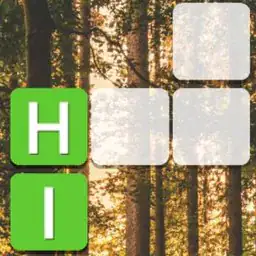
So I picked up Word Associations Solitaire expecting something forgettable, but it''s actually pretty clever. The visual style is clean and simple--soft pastel backgrounds, card backs with little icons, nothing flashy. You''ve got cards laid out on a board, each with a picture or a word. The twist is you''re not matching suits or numbers. Instead, you''re grouping cards by what they mean. Like, a card with a picture of a dog, another that says "bone", maybe one with a leash--they all go into a "pet" category. It feels more like solving a tiny puzzle than playing solitaire. The vibe is super chill. There''s no timer, no frantic clicking. The music is mellow, almost ambient. I found myself zoning out for an hour, just matching apples to trees and chefs to kitchens. Difficulty ramps up slowly--at first it''s obvious pairs, but later you get categories like "things that fly" or "words starting with a vowel" and you have to think. Some themes are locked behind progress, which gives you a reason to keep going. Who''d get hooked? People who like word games but find crossword puzzles too dry. Folks who want something to play while listening to a podcast. Honestly, anyone who needs a break from twitchy shooters or endless runners. It''s not life-changing, but it''s a nice little time waster that makes you feel a bit smart.
About Word Associations Solitaire
So you've got a board of cards in front of you, each one showing a word and a little picture. The core loop is simple: pick a card, then pick another card that you think is related to it. Maybe it's apple and tree, or doctor and hospital, or even something trickier like compass and north. When you match a pair by association, they vanish from the board. That's your main action--tapping cards and making those mental connections.
Your hands are just pointing and clicking, but your brain is working the whole time, scanning for links. Early levels are friendly: themes like "food" or "animals" with obvious pairs. But around level 20, things shift. You'll see cards that have multiple possible matches, requiring you to plan ahead. Maybe a card for "bat" could go with "baseball" or "vampire"--you have to decide which path opens up the board better. That's where the puzzle part kicks in.
Later, special mechanics appear. Some cards are "jokers" that can match with anything, but using them wisely is key. There are "locked" cards that need a specific key card to unlock before you can move them. Level names like "Fruit Basket" or "Mythical Creatures" hint at the theme, but the real trick is when themes overlap--like a level called "Night Sky" mixing astronomy with nocturnal animals. It gets chaotic.
Difficulty builds by adding more cards to the board and reducing obvious pairings. You'll hit walls where no moves seem left, and that's when hints or shuffle powers matter. There's a hint button that highlights one possible pair, and a shuffle that rearranges everything. Using those feels like a last resort, but sometimes it's the only way forward 🔍.
The satisfying moments come from clearing a dense cluster in one go--like matching four cards that all connect to "ocean" and watching them disappear. Or finishing a level with zero hints, which feels like a small victory. The game tracks your streak of matches without mistakes, and hitting a 10-match streak gives a little dopamine hit.
Unlockable themes are just cosmetic--different card backs and backgrounds like "underwater" or "space"--but they're nice to earn. There's no timer, so you can stare at the board for minutes if you need. The loop is just match, clear, repeat, but the mental juggling of associations keeps it from being boring.
Tips & Tricks
I wasted a lot of early levels just matching the most obvious pairs without thinking ahead. The game rewards planning -- look at the whole board before making your first move. Some cards look like they belong together but actually fit a broader theme that unlocks faster if you clear other cards first. The hint button isn't a crutch; it's a teaching tool. Use it when you're stuck for more than 10 seconds, because the game shows you the best association, and after a few hints you start noticing patterns yourself. Special cards like the shuffle are rare, so hoard them for levels where the board genuinely dead-ends. I kept using them early and regretted it later. Themes sometimes overlap in ways that surprise you -- a "dog" card might match both "pets" and "animals," but the game expects you to pick the right category based on context. If you misplace a card, you can't undo it, so double-check before committing. Another thing: the difficulty spikes aren't linear. Level 50 is harder than 60 in my experience. Don't get discouraged -- just step away and come back later. Finally, the daily puzzle mode is where I actually improved my skills. It forces you to think faster with limited hints, and those patterns stick.












Comments
Please login to leave a comment.