Scan to play on mobile
Lift Break
How to Play
Game Overview
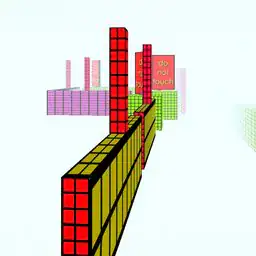
So Lift Break is this weirdly stressful little game where you're basically just trying to get an elevator down a skyscraper without everything going horribly wrong. The building is already falling apart when you start, and your lift is this creaky, barely functioning box that really doesn't want to cooperate. You've got this fragile cargo sitting in there, and if you jerk the elevator around too much or let debris smash into it, that's game over. The visual style is kind of blocky and low-poly, which works because the whole building crumbles around you in real time -- chunks of concrete fall, cables snap, floors tilt. It feels less like a puzzle and more like you're trying to calm down a panicking machine while the world collapses. You control the lift's speed and direction, but it's got momentum and weight, so small adjustments matter a lot. There's no music, just this constant low rumble and creaking metal, which really sells the tension. Who'd get hooked? People who liked QWOP or Getting Over It, because it's that same mix of frustration and satisfaction. Also anyone who's ever been stuck in a real elevator and wondered what the worst-case scenario looks like. The later levels get ridiculous with shifting shafts and timed collapses, so you need patience and a weird love for failure.
About Lift Break
So you're in this elevator, right? The building is falling apart, and your job is to get this cargo down without it smashing into pieces. The controls are simple -- you tilt the lift left or right to balance it, and you can also adjust its speed. But the game is way meaner than that first impression. Early levels like Lobby Panic just throw a few loose pipes at you. You learn to lean away from debris, to tap the descent button instead of holding it. Then things get nasty. By Floor 27: The Office, there are swinging ceiling fans that clip through the shaft if you're too slow. Later, The Aquarium level floods part of the shaft, so you have to time a fast drop through water without the cargo getting soaked and heavy. The physics are what make it fun -- the cargo shifts based on your tilt, so if you lean too hard, it slides and cracks against the walls. There's a satisfying crunch sound when you mess up, which is almost musical. New mechanics keep popping up. Around level ten, you get magnetic boots for the lift -- they let you stick to the shaft wall for a few seconds, which helps avoid falling debris. But using them drains your battery, and battery recharge stations are rare. Then there are Cargo Types -- sometimes it's a stack of glass plates, other times it's a liquid tank that sloshes. Each type handles differently. The glass shatters if you jerk the lift, the tank spills if you tilt too long. Later levels introduce Saboteur Floors where a guy on the other side of the wall drills into the shaft, sending sparks and smoke your way. You have to dodge those while keeping the cargo stable. The satisfying moment is when you nail a perfect descent -- no wobble, no damage, just a smooth ride down. The game gives you a Perfect Drop bonus, and the lift doors open with a soft hiss. That feeling is rare, because the difficulty curve is steep. By The Penthouse Meltdown, everything is on fire, and you're juggling tilt, speed, battery, and a cargo that's literally ticking. There's no upgrade system -- just your own skill. You learn patterns, but the game randomizes debris spawns, so you can't memorize everything. It's stressful, but in a good way, like a really tense arcade cabinet. You start each level hoping for that clean run, but you'll probably crash a few times first.
Tips & Tricks
The cargo isn't just dead weight -- it shifts. If you slam the brakes too hard, the whole thing lurches forward into a wall. Gentle taps on the controls make a huge difference. I lost a run on level 4 because I forgot the lift has momentum like a real object. Another thing: debris falls in patterns. That chandelier that keeps smashing through? It always drops three seconds after you hear a specific creak. Wait for it. The shafts themselves change layout each run, which is annoying but means memorizing paths won't save you. Instead, watch for color-coded cables -- blue ones hold temporary platforms, red ones snap if you brush them. I kept grabbing red ones by accident early on. The balance meter in the corner isn't just decoration; it shows which side of the lift is heavier. If you pile too many items on one side, the whole thing tilts and scrapes against walls. That's a slow death. One trick that clicked: you can actually angle your descent by leaning the cargo toward one side deliberately. It lets you slip past tight gaps, but you have to counter-steer immediately or you'll flip. The crash sound when you hit something too fast is distinctive -- if you hear a deep thud, you already messed up. Restarting is often faster than trying to recover. Finally, don't ignore the little red arrows on the floor indicators -- they point to which shaft is about to collapse next. Read them early, not when you're already falling.





















Comments
Please login to leave a comment.