Scan to play on mobile
Mind Games for 2 3 4 Player
How to Play
Game Overview
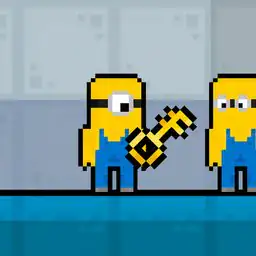
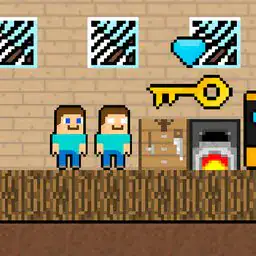
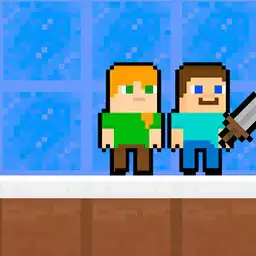
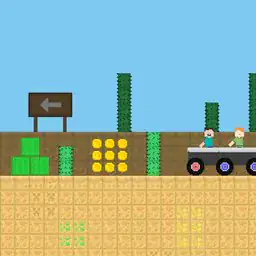
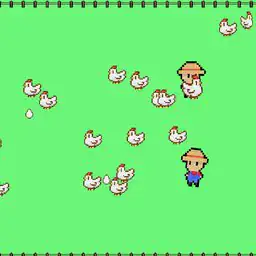
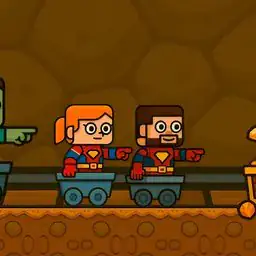
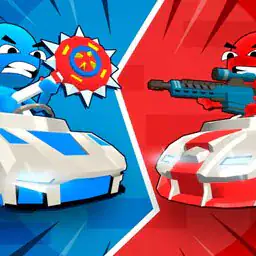
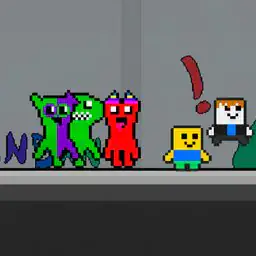
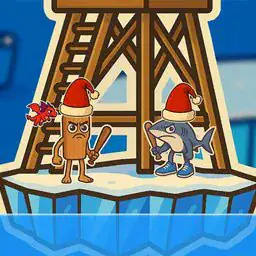
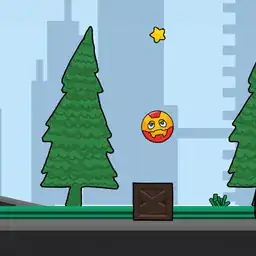
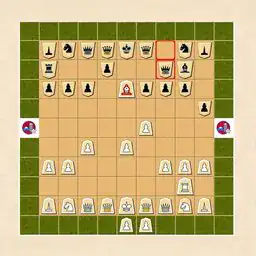
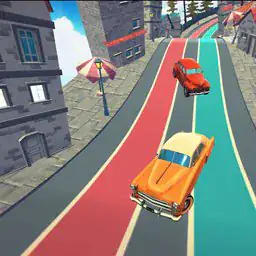
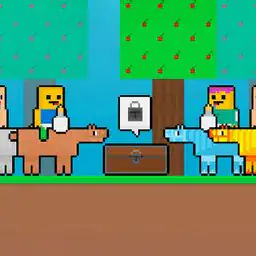
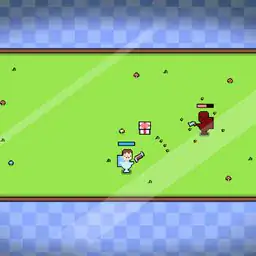
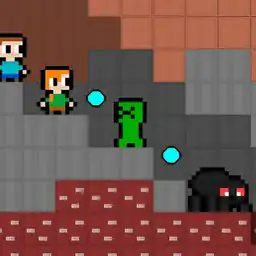
Mind Games is basically a grab bag of 27 mini-games all stuffed into one app. You aren't getting some polished single experience -- instead, it's like opening a drawer full of board game pieces and just picking whatever looks fun. The visual style is bright and cartoonish, with flat colors and simple shapes that remind me of those flash games from the early 2000s. Nothing fancy, but it's clear and easy to see on a phone screen. The vibe is very casual and chaotic, especially when you get three or four people passing the same device around. Some games are quick reflex tests where you tap pop-it bubbles as fast as possible, others slow down into strategy like Mancala or Ludo. There's even a matching memory game that gets surprisingly tense when everyone's staring at the same tiles. Kids will probably get hooked because nothing here takes more than a few minutes, and every loss just feels like "one more try." Adults might find it okay for killing time at a party or waiting room, but don't expect anything deep. The controls are all touch-based, so it's basically just tapping and swiping. Some minigames feel better than others -- the pop-it ones are oddly satisfying, while the Tic-Tac-Toe variant is just Tic-Tac-Toe. Overall, it's a decent collection if you need something quick and multiplayer without any fuss. The developers clearly aimed for accessibility over innovation, which works fine for its target audience.
About Mind Games for 2 3 4 Player
So Mind Games is exactly what it says on the tin - a big pile of 27 different mini-games all packed into one app. You pick how many players you want, from 2 up to 4, and then you're thrown into a menu of choices that range from simple reflex tests to stuff that actually makes you think. The main loop is pretty straightforward: each round, you compete directly against whoever's sitting next to you, taking turns or going at the same time depending on the game. Your hands are busy tapping, swiping, or dragging, and your brain has to switch gears constantly because the next game might be totally different from the last one.
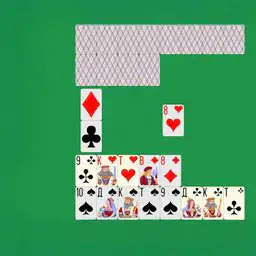
Some games are all about speed - like in "Quick Tap" you're just mashing a button faster than the other guy, but it gets tricky because you have to stop at the right moment too. Then there's "Memory Match" where you flip cards and try to remember where things are, which sounds simple until there's 16 cards and your opponent is grinning because they just found their third pair. The pop-it games are weirdly satisfying - you tap these digital bubbles that make a little sound, and whoever pops the last one loses, so you're counting and strategizing even with something that feels like a fidget toy.
Later on you unlock stuff like Mancala and Ludo, which are proper strategy games. Mancala has you scooping stones and dropping them in pits, planning moves ahead, and Ludo is that classic dice-rolling board game where you rage when someone sends your piece back to start. Tic-Tac-Toe shows up too, but it's over in 30 seconds unless you're playing against someone who actually tries. The difficulty builds naturally because some games are just harder than others - the brain teaser ones might have puzzles that take a full minute to solve while the skill games are over in a flash. There's no upgrade system or levels to grind, which is actually refreshing - you just pick a game and go. The satisfying moments come from winning a close match in "Snake" where you're both dodging your own tails, or nailing a perfect run in a matching game before the timer runs out. Some games are clearly designed for younger kids, like the color-matching ones, but others like Mancala have real depth that adults can appreciate. It's uneven by design - you'll spend five minutes on one game and then switch to something that takes ten seconds. The whole thing keeps you on your toes because you never know what's coming next, and that unpredictability is what makes it fun for a group.
Tips & Tricks
The worst mistake I made early on was rushing through the pop-it games. Those things look simple but timing is everything -- pressing too fast actually resets the sequence, so slow down and watch the pattern first. For the matching games, don't just flip tiles at random. Pick a corner and work outward systematically; it cuts your turn time by half. The brain games section has a puzzle where you rotate shapes to fit -- turns out you can spin them in both directions by double-tapping, which I missed for like ten rounds. In Ludo, stacking two pieces on the same spot is almost always a trap. Sure, they move together faster, but one opponent landing there sends both back to start. Stick to spreading them out until you're near the home stretch. Mancala''s secret is hoarding the big pit on your right side early, not just dumping seeds anywhere. And Tic-Tac-Toe? If you're second player, go for a corner first, not the center -- that sets up way more forced wins than people expect. One more: some games let you pause mid-round by tapping the top-left icon, which saved me from accidental losses more than once during distractions.







Comments
Please login to leave a comment.